How Do You Get on The Heart Transplant Waiting List?
To be placed on the UNOS heart transplant waiting list, you first need to receive a referral from your physician and select the hospital where you would like to receive your transplant. You can also refer yourself by reaching out to a member of our heart transplant team.
After a referral is submitted, a member of the transplant team will contact you to discuss next steps. This will include scheduling a time to come to the hospital to be evaluated.
After your evaluation is complete, the members of the transplant team will discuss your case and decide if a heart transplant is the best treatment for your needs. After the transplant team decides that a heart transplant is the best option, you will be added to the national waiting list.
What disqualifies you from being on the heart transplant list?
You may be disqualified from being on the heart transplant waiting list if you have:
- Active infections.
- Active substance abuse, such as alcohol and drug use.
- A high risk of surgical complications due to illness or frailty.
- Inability or unwillingness to follow your pre- or post-transplant treatment plan.
- A recent history of serious medical conditions, such as cancer.
- A severe, untreated psychiatric disorder.
- Severe obesity.
- Uncontrolled diabetes.
How Long Is The Waiting List for a Heart Transplant?
Donor heart availability is difficult to predict, so wait times for a heart transplant vary.
Factors that may affect your wait time include:
- Blood type.
- Geographic area where you live.
- Height and weight.
- Placement status on the waiting list.
How Is My Placement Status on the Heart Transplant List Determined?
You will be placed on the heart transplant waiting list in accordance with specific criteria for status levels 1 through 6. Status descriptions include:
- Status 1 and 2 — Patients who are categorized as Status 1 and 2 have top priority in receiving heart transplants. They are often severely ill, likely on advanced life support, and are not expected to survive for more than a month. For these reasons, they will be offered an available heart first.
- Status 3 — Status 3 patients are the next highest priority. Though expected to live longer than a month, they are likely receiving intravenous medication or other assistance to keep their heart working.
- Status 4 — This group is often at home but may need IV medications or a ventricular assist device (VAD) to support their heart.
- Status 6 — This group includes all others who are stable enough to remain home while they wait for a heart.
- Status 7 — Inactive status.
Becoming inactive (status 7) on the heart transplant waiting list
Surgeons must transplant a donor heart within a certain amount of time. You will always need to be within four hours of the hospital while you're on the heart transplant waiting list.
You will need to inform your transplant coordinator of any travel that will take you outside the four-hour window. If you must travel, we may place you in an “inactive status," or “status 7," on the list.
Other reasons for inactive status include:
- Needing further tests.
- Having health problems that might increase your risk of complications during or after transplant surgery.
- Not following the treatment plan provided by your heart transplant team.
What to Expect When Waiting for Your Donor Heart
Here are a few things you need to know while you wait for your donor heart:
Stay close to the hospital
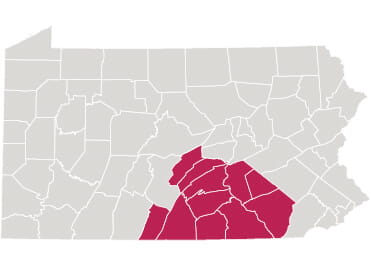
While you're on the heart transplant waiting list, you may need to stay near the hospital in Pittsburgh or the surrounding area. We ask that you live within four hours of UPMC. When a donor heart is ready, you'll need to get to the hospital quickly to have your transplant.
Family House is an affordable “home away from home” in Pittsburgh for heart transplant patients and their families. It is not a medical facility.
Learn more about traveling to Pittsburgh for transplant services.
Maintain your health
Maintaining your health as much as possible is crucial during the waiting stage of your heart transplant journey.
While you wait for a donor heart, we'll manage your illness through our heart failure services or artificial heart services.
If you have advanced heart failure, you may need a ventricular assist device (VAD) as a bridge to transplant. Doctors may implant this device if you're likely to wait longer for a donor heart.
The VAD:
- Pumps blood for you when you have a weakened heart muscle.
- Allows you to live a healthier, more active life while you wait for a transplant.
- May also lengthen your time on the waitlist. You must heal from the implant surgery before you can have a heart transplant.
What to Expect When Your New Heart Becomes Available
When we find a good match and assign you a donor heart, your transplant coordinator will call you right away. They will let you know what happens next.
While you travel to the hospital, the UPMC heart transplant team will continue to assess the donor heart.
If the heart:
- Is right for you, we'll begin to prepare you for heart transplant surgery as soon as you arrive.
- Is not a good match, we'll send you home and keep you on the waitlist.
Why Choose UPMC for Heart Transplant Care?
When you choose UPMC for heart transplant care, you will receive:
- Access to experienced, board-certified specialists — Our heart transplant team takes on some of the most complex, high-risk cases and has performed more than 1,700 adult heart transplants.
- Nationally recognized for outstanding outcomes — Our program has been recognized by the Scientific Registry of Transplant Recipients (SRTR) as a top transplant program based on outcomes. UPMC is the national leader in 90-day survival rate following heart transplantation and is among the top nationally for patient survival rates at 30 days and one year post-transplant. Our program is one of the few with donor heart recipients living 30 or more years after transplant.
- Personalized heart transplant care — We evaluate each case we receive and study the complexities of each person's heart disease to decide how we can best help.
By UPMC Editorial Staff. Last reviewed on 2025-12-09.